
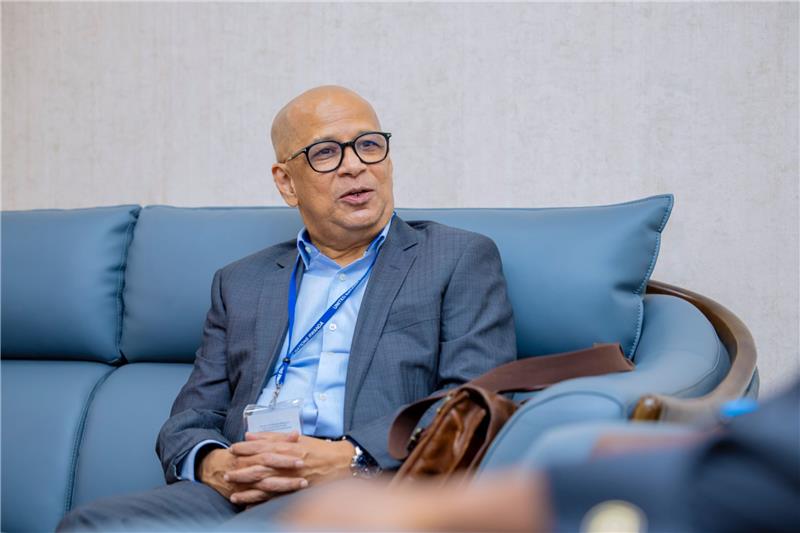
At MTI’s Thought Leadership Forum, CEO Hilmy Cader commended the resilience of Sri Lanka’s tourism industry, while cautioning that long-term risks must be strategically addressed to ensure sustainable growth. “When a destination is on ‘high’ there is a tendency to not address the potential longer-term risks,” said Cader, highlighting the importance of foresight in tourism planning.
Cader pointed out several areas of concern. He noted that overtourism could result in demand far exceeding what the ecosystem can sustainably handle. He also warned against an obsession with numerical milestones, which often comes at the expense of tourist experience and infrastructure development. The environmental impact of tourism, he stressed, is a hidden cost that is neither adequately accounted for nor mitigated. Furthermore, tourism-led commercialization can drive inflation in real estate, rents, and consumables, while wealth generated from tourism tends to concentrate disproportionately in certain pockets of the value chain.
MTI further emphasized the importance of calculating the real cost of tourism. This involves assessing pollution levels by distinguishing between domestic consumption and exports, including tourism, to better understand the ecological burden of foreign exchange earnings. Local populations and environments, Cader cautioned, can suffer significantly from overtourism and excessive export production if there isn’t a balanced approach.
MTI Consulting (www.mtiworldwide.com) is an internationally networked strategy consultancy, having carried out assignments in 51 countries over the past 28 years.